








Mini Trencher Guide: Efficient Trenching for Landscaping and Utility Projects

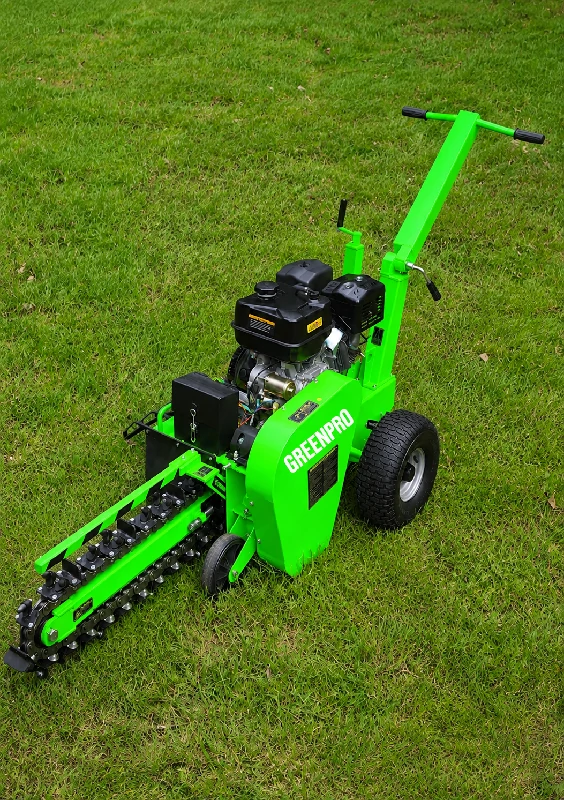
A mini trencher is a compact and powerful machine designed for creating narrow trenches quickly and efficiently. It is widely used in landscaping, irrigation installation, electrical cable laying, drainage projects, and other groundworks where precise trenching is required.
Compared with traditional digging methods, a mini trencher helps reduce manual labour, improve productivity, and create clean, consistent trenches with minimal ground disturbance.
What Is a Mini Trencher?
A mini trencher is a small-scale trenching machine designed to dig narrow and shallow channels in soil, grass, and other ground conditions.
Its compact size allows it to operate in areas where larger excavation equipment cannot access, such as:
- Residential gardens
- Parks and landscaped areas
- Narrow pathways
- Construction sites with limited space
- Agricultural and irrigation projects
With adjustable digging depth and width, mini trenchers can be adapted to different installation requirements.
Common Applications of Mini Trenchers
Mini trenchers are suitable for a wide range of underground installation tasks, including:
Irrigation and Sprinkler Systems
Create precise trenches for water pipes and irrigation lines while minimising damage to surrounding landscaping.
Electrical and Communication Cables
Ideal for installing underground cables, lighting systems, and communication lines.
Drainage Installation
Used for laying drainage pipes and improving water management around properties and construction areas.
Landscaping Projects
Helpful for installing garden features, landscape lighting, edging systems, and other outdoor improvements.
Preparing Before Operation
Safe and efficient operation starts with proper preparation.
Before using a mini trencher:
- Wear appropriate personal protective equipment, including safety glasses, gloves, hearing protection, and safety footwear.
- Review the trenching plan and clearly mark the working route.
- Check the ground conditions and remove visible obstacles.
- Confirm the location of underground utilities before digging.
Knowing the work area in advance helps prevent accidents and improves trenching accuracy.
Inspect the Machine Before Use
A quick inspection can prevent unexpected problems during operation.
Check the following components:
- Engine oil level
- Fuel level
- Hydraulic fluid (if applicable)
- Cutting chain and teeth condition
- Drive system and controls
- Safety guards and fasteners
Damaged or worn cutting teeth should be replaced before starting work to maintain digging performance.
Setting the Correct Trenching Depth and Width
Different projects require different trench sizes.
Before operation, adjust the machine settings according to your requirements:
- Trench depth
- Trench width
- Cutting speed
Correct adjustments help create a consistent trench while reducing unnecessary stress on the machine.
Operating the Mini Trencher Safely
Start the engine according to the manufacturer’s instructions and allow it to warm up before engaging the cutting system.
When trenching:
- Move forward slowly and steadily along the marked route.
- Keep both hands firmly on the controls.
- Maintain a consistent operating speed.
- Watch for rocks, roots, and uneven ground.
- Avoid sudden movements or excessive force.
A controlled working speed improves trench quality and reduces wear on the machine.
Monitor Performance During Operation
During trenching, regularly check:
- Trench depth and width
- Machine stability
- Cutting performance
- Ground conditions
If the machine begins to struggle, stop and inspect the cutting system rather than forcing it through difficult material.
Adjust settings when necessary to maintain efficient operation.
Safety Considerations
Safety should always be the highest priority when operating excavation equipment.
Important safety practices include:
- Keep children, workers, and bystanders away from the operating area.
- Identify underground cables, gas lines, and water pipes before digging.
- Never operate the machine on unsuitable slopes or unstable ground.
- Do not remove guards or safety devices.
- Stop the machine before making adjustments or inspections.
Proper training and careful operation help prevent injuries and equipment damage.
After Completing the Trenching Work
Once the trenching operation is complete:
- Turn off the machine safely.
- Allow the engine and cutting components to cool.
- Remove soil and debris from the machine.
- Inspect the trencher for any damage or wear.
- Backfill the trench or continue with installation work as required.
Cleaning and checking the machine after each use helps maintain long-term reliability.
Conclusion
A mini trencher is an efficient solution for precise underground installation projects. Its compact design, adjustable trenching capability, and ease of operation make it an ideal choice for landscaping professionals, contractors, and property owners.
By preparing correctly, inspecting the machine, following safe operating procedures, and performing regular maintenance, users can achieve reliable results while extending the service life of their equipment.
Mini Trenchers — Compact Power for Precise Groundwork.