





What Is a Wood Chipper? A Complete Guide

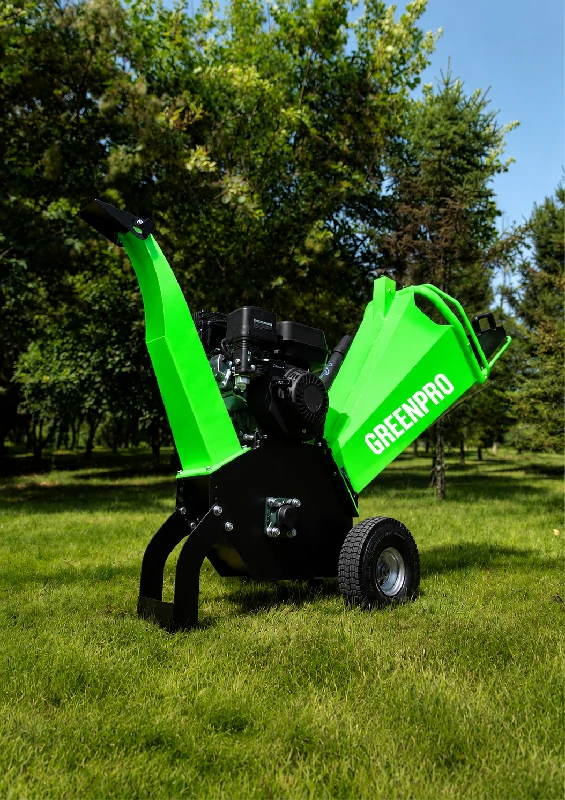
Wood Chippers: Efficient Processing for Branches and Timber
A wood chipper, also known as a tree chipper, is designed to reduce branches, logs, and other woody materials into smaller, manageable wood chips. These machines are widely used in landscaping, forestry, agriculture, property maintenance, and commercial tree care.
Most wood chippers are portable and mounted on wheeled frames, allowing them to be transported behind a truck, van, tractor, or utility vehicle. Depending on the machine size and application, power may be supplied by a petrol engine, diesel engine, electric motor, tractor PTO system, or hydraulic system.
How a Wood Chipper Works
Wood is inserted through the feed hopper and guided toward the cutting mechanism. Sharp blades process the material into chips, which are then discharged through an adjustable outlet chute.
Modern machines often use hydraulic feed rollers to pull branches into the cutting chamber at a controlled speed. This improves productivity, reduces operator effort, and helps protect the machine from overloading.
Disc Wood Chippers
Disc chippers use a heavy rotating steel disc fitted with cutting blades. The disc is positioned perpendicular to the incoming material.
As branches enter the machine, the rotating blades cut the wood into chips. Integrated paddles or flanges then move the processed material through the discharge chute.
Disc chippers are known for producing relatively uniform wood chips and are commonly used for landscaping, biomass preparation, and general branch processing.
Drum Wood Chippers
Drum chippers use a large rotating steel drum fitted with one or more blades. The drum is mounted parallel to the feed hopper and rotates toward the discharge system.
As the wood reaches the drum, the blades cut it into chips and propel the material through the outlet chute. Drum chippers generally provide strong feeding performance and are suitable for processing larger volumes of branches and timber.
Commercial drum chippers may handle material ranging from small garden branches to logs with diameters of 25–60 cm, depending on the model.
Hydraulic Feed Systems
Older drum chippers sometimes relied on the cutting drum itself to pull material into the machine. This uncontrolled feeding method could cause sudden material movement and create significant safety risks.
Modern wood chippers usually feature hydraulically powered feed rollers. These rollers regulate the feeding speed, provide smoother operation, and allow the operator to stop or reverse the material when necessary.
Hydraulic feeding offers several advantages:
- More consistent processing
- Improved operator safety
- Reduced manual handling
- Better control of irregular branches
- Lower risk of machine overload
Choosing the Right Wood Chipper
The most suitable wood chipper depends on the type and quantity of material being processed. Important factors include maximum branch diameter, engine power, feed system, cutting mechanism, discharge height, mobility, and intended working environment.
For occasional garden maintenance, a compact chipper may be sufficient. Professional landscaping, forestry, and commercial tree-care operations generally require larger machines with hydraulic feeding and higher processing capacity.
A well-selected wood chipper can significantly reduce waste volume, improve site efficiency, and convert branches and timber into useful material for mulching, composting, biomass fuel, or ground cover.